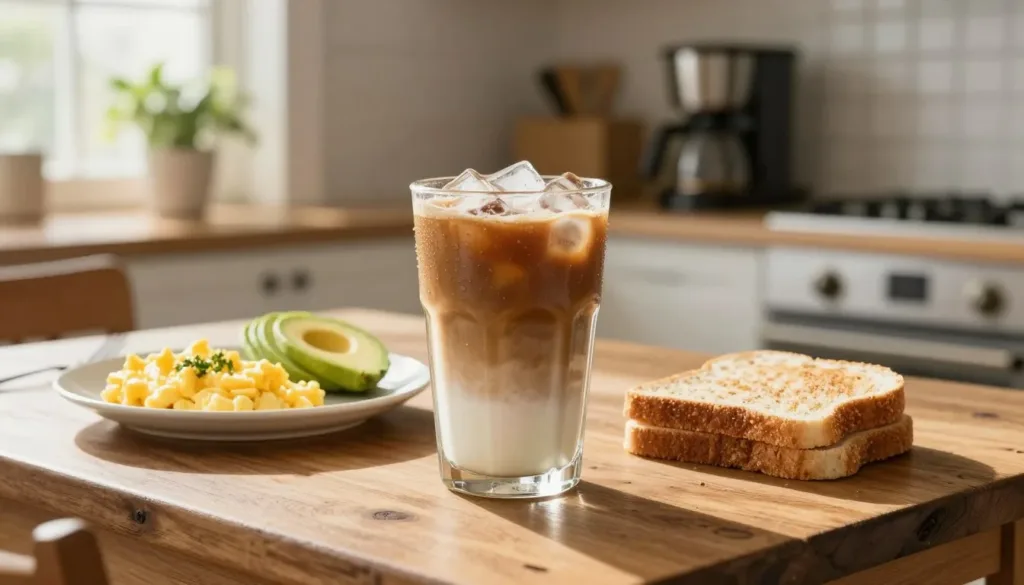

Proffee combines brewed coffee with protein powder or a ready-to-drink protein shake, making it a convenient option when you want protein alongside your morning coffee. Protein coffee proffee benefits recipes can make a familiar morning routine more substantial, but the drink does not guarantee fat loss or replace a balanced breakfast for everyone. Could a coffee drink really work as breakfast, or does it need a sidekick? Your appetite, schedule, and usual meals all matter. Here, you’ll find practical recipes, mixing advice, and ways to judge whether proffee fits your day. Protein denaturation is a heat-driven change in a protein’s structure that can affect texture without breaking down the amino acids your body needs. Choose a simple version that fits your appetite and the rest of your breakfast.
Key Takeaways
- Proffee pairs coffee with protein powder or a ready-to-drink protein shake.
- A serving can add about 15-35 grams of protein, depending on its ingredients.
- Protein coffee may be convenient, but it does not cause fat loss by itself.
- Use fruit, oats, or toast when a drink alone does not satisfy you.
- Check protein, sugar, ingredients, and caffeine before making it a daily habit.
What Is Proffee and When Does It Help?
If breakfast is usually just coffee, adding a protein source can make the drink more substantial without adding a separate preparation step. That convenience can be useful on a busy morning, especially when you have little time to prepare food.
Proffee is coffee mixed with protein powder or a protein shake. Depending on the product and serving size, one drink can add about 15-35 grams of protein. A five-minute espresso-and-protein-shake recipe combines two familiar morning staples without requiring a full breakfast routine.
Plain coffee provides caffeine, but it does not provide much protein. Adding a protein source makes the cup more filling for some people and can help you include protein in a rushed morning. A ready-to-drink protein shake can also work as a coffee creamer alternative, replacing some or all of your usual creamer.
The taste and nutrition depend on the product. A sweetened shake may bring added sugar, while an unsweetened powder may need milk or another ingredient for a smoother flavor. Read the label rather than assuming every shake or powder offers the same amount of protein.
A liquid drink may not provide the fiber, variety, or chewing experience of a full meal. If you are hungry soon after drinking it, add food rather than expecting the cup to carry you through the morning. Fruit, oats, or toast can help make breakfast more substantial.
Use the drink when it solves a real routine problem, such as needing a quick protein source before leaving home. It is optional, not a marker of a better breakfast. Treat proffee as a useful routine option, not a requirement when breakfast already meets your needs.

Protein Coffee Proffee Benefits Recipes for Iced Drinks and More
For a first iced proffee, combine a coffee base, one protein source, milk if desired, and ice. The simple formula gives you a starting point for different flavors without requiring a complicated recipe.
These protein coffee recipes use espresso or cold brew, plus protein powder or a ready-to-drink protein shake. Strong brewed coffee can stand in for espresso when you do not have an espresso machine. Use chilled coffee for an iced drink, then adjust the amount of milk to suit your preferred strength.
| Recipe | Coffee base | Protein and milk | Finish |
|---|---|---|---|
| Vanilla iced latte | 1 shot of espresso | 1/2 cup vanilla protein shake and 1/2 cup milk | Pour over ice |
| Chocolate cold brew | 1 cup cold brew | 1 scoop chocolate protein powder and 1/2 cup almond milk | Pour over ice |
| Caramel cold brew | 1 cup cold brew | 1/2 cup caramel protein shake | Pour over ice |
For a ready-to-drink version, combine 2 ounces of espresso, a 14-ounce vanilla protein shake, and ice. Pour the shake and espresso into a glass, stir, and add ice. The larger drink uses a full shake, so its final volume will be greater than the other recipes.
The vanilla iced latte pairs espresso with vanilla, while the chocolate cold brew brings a stronger coffee taste. The caramel version is a quick choice when you already have a flavored protein shake in the refrigerator. Flavors and sweetness vary by product, so the same recipe may taste different with another brand.
For a smoother drink, keep the coffee cold and start with the amounts shown. If you prefer a stronger coffee flavor, use less milk or a more concentrated coffee base. A glass with plenty of ice also helps keep the drink cool as you sip it.
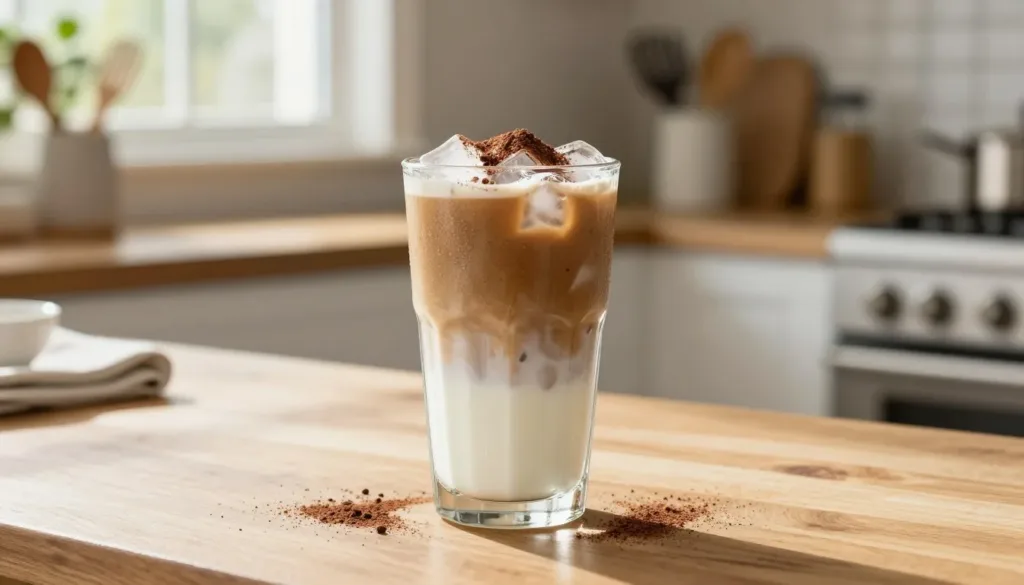
Start with the listed amounts, then adjust sweetness after tasting.
What Protein Powder Works Best in Coffee?
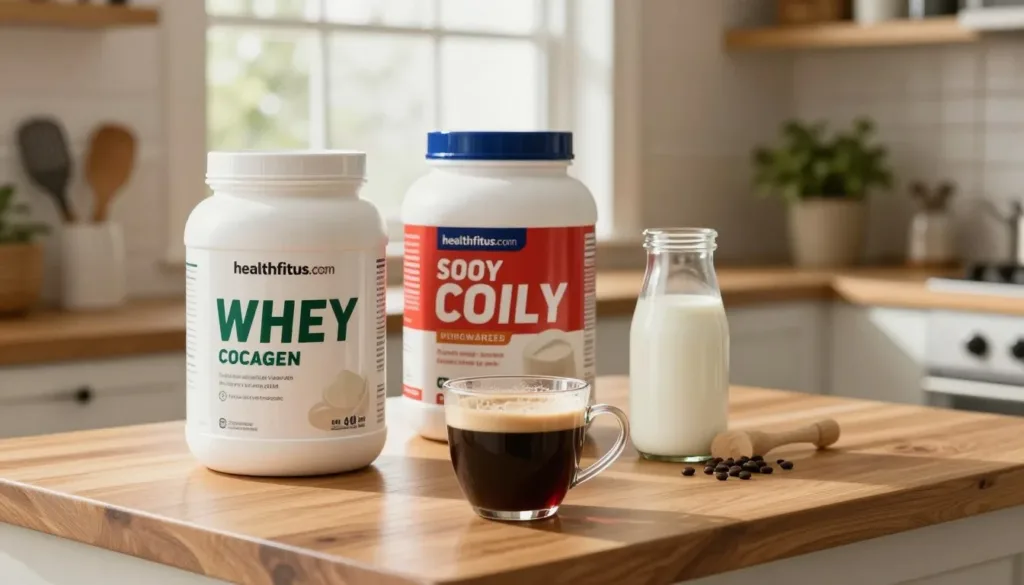
For a creamy coffee when dairy suits you, whey is a practical starting choice; for a dairy-free drink, choose soy or a complete plant-protein blend. Protein powder can change both the flavor and texture, so the best fit depends on your diet and intended use.
What is the best protein powder to add to coffee? Whey is a practical pick for a creamy drink when you tolerate dairy, while soy or a complete plant blend suits dairy-free use.
| Protein source | Typical protein amount | Best fit | Main consideration |
|---|---|---|---|
| Whey powder | 20-27 g per scoop | Creamy coffee | Dairy tolerance |
| Soy milk | 7-10 g per cup | Dairy-free latte | More protein than many other plant milks |
| Collagen | 10-20 g per serving | Easy-mixing hot coffee | Not complete protein by itself |
Whey and Dairy-Based Choices
A typical scoop of whey powder supplies about 20-27 grams of protein. Whey often adds a creamy quality that works well in coffee, especially with milk or a milk alternative. Check the flavor and sweetener on the package because vanilla and chocolate powders can make an otherwise plain cup taste like a dessert drink.
If dairy causes symptoms or does not fit your diet, a dairy-based shake may not be the right choice. Some products also contain milk ingredients even when their flavor sounds like coffee or cocoa. The ingredient list and allergen statement help you spot those details.
Plant-Based Powders and Collagen
Soy milk commonly provides about 7-10 grams of protein per cup, more than many other plant milks. A complete plant-protein blend is another dairy-free choice. Look at the label to confirm the amount in your usual serving, since powder formulas and scoop sizes vary.
Collagen servings commonly provide about 10-20 grams of protein and often mix easily into hot coffee. Collagen alone is not a complete muscle-building protein, so do not treat its protein number as equivalent to a complete source. The collagen protein-quality research explains that collagen lacks tryptophan and is incomplete when assessed by itself.
Choose a powder that fits both your diet and the cup you want to drink. A product that tastes good but provides little protein may not meet your purpose, while a large scoop may overpower a small coffee. Check the serving’s protein amount and ingredients before choosing by flavor alone.
Smooth Mixing for Hot and Iced Coffee
For the smoothest result, hydrate protein powder in a cool liquid before combining it with coffee. This small step helps the powder spread evenly instead of clumping on the surface of your drink.
For iced coffee, a short mixing sequence keeps powder from settling beneath the ice. A shaker bottle or small whisk works, but a spoon can do the job if you stir thoroughly before adding the coffee.
Coffee With Protein Powder: The Iced Method
- Mix the powder with a splash of cold milk or water until it forms a smooth mixture.
- Add cold coffee and stir or shake until the mixture looks even.
- Pour the coffee mixture over ice in a glass and stir once more.
Use enough cold liquid to wet the full scoop, not just a few drops. A thick paste can be harder to combine with coffee, while a smooth, pourable mixture spreads more easily. If you use a protein shake rather than powder, add it directly to the coffee and stir.
A Hot Protein Coffee Without Grainy Clumps
Hot coffee can change the texture of whey powder. Whey proteins begin to unfold and bond together at 70-100°C (158-212°F), which can cause clumps or a grainy texture. Protein denaturation is a heat-driven change in a protein’s structure, and it changes texture without destroying the amino acids your body needs.
Make a cold slurry by stirring the powder into a splash of cold milk or water. Add hot coffee gradually while stirring, rather than pouring the entire cup in at once. This gives the mixture time to combine and helps limit the sudden change in temperature around the powder.
Some hot coffee drinks may still feel thicker than their iced versions. A hand whisk or frother can break up small lumps, but a blender is not essential. Start with a modest amount of coffee, then add more until the cup reaches your preferred strength.
Let very hot coffee cool briefly before adding the protein mixture.
Can Protein Coffee Support Fat Loss?
Protein coffee can support fat loss when it helps you manage overall intake, but it cannot target belly fat by itself. Its role depends on what it replaces and how it fits into your usual meals and drinks.
A protein coffee may help if it replaces a higher-calorie drink or helps you meet a protein goal without adding much to your usual intake. Adding it on top of your normal food and drinks can add calories, even when the cup contains protein. The ingredient list and portion size matter as much as the drink’s name.
Protein Coffee for Weight Loss and Fat Loss
A 2022 study compared two eight-week diet programs in adults with overweight or obesity. One group included 21 participants who followed intermittent fasting and protein pacing, with 35% of energy from protein. Another group included 20 participants who followed a heart-healthy calorie-restricted diet, with 15% of energy from protein.
| Outcome after 8 weeks | Intermittent fasting and protein pacing | Heart-healthy calorie-restricted diet |
|---|---|---|
| Body weight | Fell by 9% | Fell by 5% |
| Total fat mass | Fell by 16% | Fell by 9% |
| Visceral fat mass | Fell by 33% | Fell by 14% |
| Weekly energy intake | 9,470 ± 550 kcal | 9,095 ± 608 kcal |
Weekly energy intake was similar between the groups, with p = 0.90. The study tested whole diet patterns, not proffee, so it does not show that coffee or protein powder caused the changes. The eight-week diet comparison is one example of a broader eating plan, not evidence for a special coffee effect.
Protein powder cannot selectively remove fat from your belly. A 2022 meta-analysis of 13 studies and 1,158 participants found no spot reduction from localized muscle training. Its pooled effect size was -0.03, with a 95% confidence interval of -0.10 to 0.05 and p = 0.508. The 2022 spot-reduction meta-analysis supports the point that training one area does not selectively reduce nearby fat.
Your overall eating pattern and activity matter more than one drink. If a cup adds calories without changing your other choices, it may not support your goal. Judge the drink by how it fits your full day of eating, not by its protein label alone.
Is Protein Coffee a Balanced Breakfast or Pre-Workout Drink?
A protein coffee can be a quick breakfast component, but it is not automatically a complete meal. Pair it with food when you need more fiber, variety, or lasting fullness.
For a more substantial breakfast, add fruit, oats, or toast alongside the cup. Those foods bring variety that a drink by itself may not provide. You can also choose a meal plan that fits your preferences, rather than relying on one coffee recipe every morning.
High-Protein Coffee at Breakfast
A 2024 randomized crossover study tested several breakfast conditions in 30 women aged 18-30 with overweight or obesity. The high-protein breakfast provided about 30 grams of protein and led to higher satiety, fullness, and satisfaction ratings over the following three hours than comparison conditions.
Daily energy intake did not differ significantly between the high-protein breakfast, low-protein breakfast, and no-breakfast conditions. The finding describes those participants and breakfast conditions; it does not establish that protein coffee causes weight loss or works the same way for everyone. The 2024 breakfast study tested meals, not proffee specifically.
If you want a larger breakfast, pair your drink with food that fits your appetite. A flexible beginner keto meal plan can help organize meals, but it still needs to match your health needs and preferences. A drink does not offer the same range of foods as a plate.
Pre-Workout Protein Coffee
Before exercise, protein coffee can be a convenient personal choice, not a guaranteed performance boost. Whether it feels comfortable depends partly on your caffeine sensitivity and whether you have eaten. A drink that works before a walk may feel different before a harder workout.
Pay attention to how coffee affects your stomach and energy during exercise. If you are hungry, pair the drink with a small snack that you tolerate. If you have not eaten, a full-strength coffee may feel different than it does after breakfast.
If coffee before exercise leaves you shaky or uncomfortable, reduce the caffeine or choose a different pre-workout snack.
What Should You Check on a Protein Powder Label?
Compare the serving size, protein amount, added sugars, and full ingredient list before deciding that a powder is a good fit. Start with the label, not the flavor on the front of the tub.
- Serving size and grams of protein per serving.
- Added sugar, sugar alcohols, and other sweeteners.
- Allergen statement and full ingredient list.
- Available quality checks or contaminant testing.
A scoop size can make two products look similar when their actual protein amounts differ. Check whether the listed serving means one scoop or multiple scoops, and compare the protein amount you will actually use. Added sugars and sweeteners can also affect how the powder fits your preferences.
The FDA does not approve dietary supplements for safety, effectiveness, or labeling before they reach the market. Manufacturers and distributors must evaluate product safety and labeling before marketing, and the FDA can act against adulterated or misbranded products after sale. The FDA’s dietary supplement overview explains this oversight and the agency’s post-market role.
Contaminant findings need careful context. Consumer Reports tested 28 protein powders and shakes; plant-based products averaged nine times the lead levels found in dairy-protein products. Nearly all plant-based products in those tests had elevated lead levels. That result applies to the products tested, not every plant-based product on the market.
A test result cannot replace checking the specific product you are considering. Testing availability and details can differ, so look for clear information about quality checks rather than assuming the category alone predicts a product’s contents.
USDA FoodData Central’s Branded Foods database is updated monthly, while Foundation Foods and Experimental Foods are updated twice annually when available. In October 2026, FoodData Central added new foods and additional analyses of previous samples. Its entries can offer nutrition context, though branded product formulas may differ.
Treat a database entry as a nutrition reference, not a guarantee about the quality of a specific product.
Daily Protein and Caffeine in Context
A daily proffee can fit for many people, but its protein and caffeine count toward your day’s totals. Daily use makes sense when the ingredients suit you and the drink fits your overall routine.
The commonly stated adult protein Recommended Dietary Allowance is 0.8 grams per kilogram of body weight per day. It is a reference point, not a weight-loss prescription. Losing 20 pounds does not translate into one fixed protein amount because individual needs vary with body size, activity, and health.
Fit the Drink Into Your Daily Protein
Count the protein in your coffee as part of your daily intake, alongside protein from meals and snacks. If you already get enough from food, a powder may not add much value. A high-protein, low-carb meal plan also emphasizes that protein needs vary with health, body size, activity, and goals.
People with kidney disease, pregnancy, medication concerns, or other relevant health conditions should ask a qualified clinician about supplement use. A clinician can consider your health history and the ingredients in the product, rather than treating every protein drink as interchangeable.
Keep Track of Caffeine and Personal Tolerance
The FDA says up to 400 milligrams of caffeine per day is not generally associated with negative effects for most healthy adults. Sensitivity and health circumstances vary, so that amount is not a personal target or a guarantee that you will feel well.
Count caffeine from coffee, tea, energy drinks, and pre-workout products together. A second coffee or a caffeinated workout drink can raise your total even when the protein coffee itself seems modest. Check how much coffee goes into each cup, especially when you use espresso and brewed coffee in one drink.
If you have a medical condition or take medication, confirm a daily supplement routine with your clinician.
Troubleshooting Proffee Taste and Texture
If your first cup tastes off, change one ingredient at a time so you can identify the cause. A single adjustment makes it easier to tell whether the problem comes from coffee, milk, powder, or a sweetener.
- Chalky taste: Adjust the liquid amount or use a blender for a more even drink.
- Overly sweet: Remove syrup or choose an unsweetened coffee base.
- Bitter flavor: Try vanilla or add 1 teaspoon of cocoa powder for a mocha-style drink.
- Digestive discomfort: Consider lactose, sugar alcohols, added fibers, or caffeine; change one ingredient at a time.
A chalky cup may need more liquid, but adding too much milk can make the coffee taste weak. Try a small increase, then taste again. A blender can help combine the drink, especially when the powder or shake has a thick texture.
If the drink tastes too sweet, skip maple syrup or other flavored syrup before changing the protein product. Many vanilla and caramel shakes already provide sweetness. An unsweetened coffee base lets you adjust the flavor without adding another sweet ingredient.
Bitter coffee can work with a little vanilla, or 1 teaspoon of cocoa powder for a mocha-style variation. Strong cold brew can replace espresso in an iced coffee recipe. The flavor will differ, so start with a smaller amount of coffee if your cold brew tastes especially concentrated.
Digestive discomfort can have several possible triggers, including lactose, sugar alcohols, added fibers, or caffeine. Change just one ingredient at a time and note whether the cup feels better. That approach helps you avoid removing several foods when only one ingredient may be responsible.
Keep the adjustment that improves the drink without adding ingredients you do not want.
Conclusion
The easiest proffee to keep making is the one that tastes good and fits your morning. A simple iced recipe is an easy starting point, while the drink works best when it complements your broader nutrition needs rather than replacing them.
Make the iced vanilla version with a protein source and milk you already enjoy. Taste it before adding syrup or another sweetener, then change the balance to suit your preference. Keep the routine flexible, especially on mornings when you would rather eat a full breakfast.
Try one iced recipe with ingredients you already enjoy, then save the version you would make again.
FAQ
How to make protein coffee without clumping?
To make protein coffee without clumping, never add protein powder directly to piping-hot coffee, as heat causes the protein to curdle and clump. Instead, mix your protein powder with 2 to 3 ounces of cold water or milk first using a handheld milk frother or shaker bottle until completely smooth. Then, slowly pour in your brewed coffee (hot or iced) while stirring continuously. For an even easier clump-free option, use a ready-to-drink protein shake or unflavored collagen peptides, which dissolve effortlessly in hot liquids.
Can you put protein powder in hot coffee?
Yes, you can put protein powder in hot coffee, and heating it does not destroy its nutritional value or amino acids. However, dumping whey or plant-based protein powder directly into piping-hot coffee will cause it to curdle and clump. To keep it smooth, mix the powder with a splash of cold water or milk first to create a smooth paste or liquid, let your coffee cool slightly for a minute or two, and then slowly stir the coffee in while using a handheld frother. Alternatively, use collagen peptides, which dissolve instantly in hot coffee without clumping.
Is proffee good for fat loss?
Yes, proffee (protein coffee) is an effective tool for fat loss when paired with a balanced calorie deficit. Adding 20 to 30 grams of protein to your morning coffee increases satiety hormones, curbs mid-morning sugar cravings, and boosts your metabolism through the thermic effect of food (TEF)—meaning your body burns more calories digesting protein than carbs or fats. It also helps preserve lean muscle mass while you lose weight. Just be sure to choose low-sugar protein powders or shakes and avoid high-calorie syrups so your drink stays macro-friendly.
When is the best time to drink protein coffee?
The two best times to drink protein coffee (proffee) are first thing in the morning or 30 to 60 minutes before a workout. Drinking it in the morning—especially if you usually skip breakfast—delivers 20 to 30 grams of protein right away to stabilize blood sugar, boost focus, and curb cravings throughout the day. Taking it pre-workout combines caffeine for increased endurance and strength with amino acids to fuel muscle protein synthesis. Just avoid drinking it within 6 to 8 hours of bedtime so the caffeine does not disrupt your sleep and recovery.
How many calories are in protein coffee?
A typical serving of homemade protein coffee (proffee) contains between 110 and 180 calories and 20 to 30 grams of protein. Since black coffee has virtually zero calories (about 2 to 5 calories per cup), almost all the calories come from your protein source and liquid base. Mixing one scoop of low-sugar whey or plant protein powder with black coffee and water keeps it around 110–130 calories, whereas using a ready-to-drink protein shake (like Fairlife or Premier Protein) or adding milk brings it closer to 150–180 calories.
Does heating protein powder destroy the protein?
No, heating protein powder does not destroy the protein or reduce its nutritional value. While heat causes denaturation—meaning the protein’s 3D molecular structure unfolds, similar to what happens when you cook an egg—the amino acid profile remains completely intact, and your body absorbs and uses it just as effectively for muscle repair and growth. The only downside to heating whey or plant protein is a change in texture (clumping), which you can easily avoid by mixing the powder with a splash of cold liquid before adding hot coffee.
Is protein coffee better than regular coffee?
For fitness, fat loss, and appetite control, protein coffee (proffee) is generally better than regular coffee, especially if you drink it in the morning or skip breakfast. While regular black coffee provides caffeine and antioxidants with near-zero calories, it offers no macronutrients and can sometimes trigger jitters or energy crashes on an empty stomach. Adding 20 to 30 grams of protein stabilizes blood sugar, boosts satiety, supports muscle recovery, and replaces sugary coffee creamers. However, if you are strictly water-fasting or simply want a zero-calorie energy boost before a meal, regular black coffee is the better choice.
Related Articles
- High Protein Low Carb Diet: Complete Meal Planning Guide
- Herbalife Nutrition: Hammer, Herbalife, Bloom, and Quest
- Keto Diet Meal Plan: 7 Easy Recipes for Beginners
Sources
- The effect of consuming different dietary protein sources at breakfast upon self rated satiety, peptide YY, glucagon like peptide-1, and subsequent food intake in young and older adults – A crossover study compared protein-rich breakfast drinks and meals with a lower-protein, high-carbohydrate breakfast.
- Significant Amounts of Functional Collagen Peptides Can Be Incorporated in the Diet While Maintaining Indispensable Amino Acid Balance – Collagen lacks tryptophan and is incomplete when assessed alone, though it can be part of a mixed diet.
- A proposed model to test the hypothesis of exercise-induced localized fat reduction (spot reduction), including a systematic review with meta-analysis – A 2022 meta-analysis found no spot reduction from localized muscle training.
- FDA 101: Dietary Supplements – The FDA does not approve dietary supplements before marketing; companies are responsible for applicable safety and labeling requirements.